Showing posts with label Bhairava Temples. Show all posts

Saturday, April 8, 2023

Bhairavnath Temple, Pedgaon, Maharashtra

Bhairavnath Temple, Pedgaon, Maharashtra

Bhairavnath Temple is a Hindu Temple dedicated to Lord Bhairava located at Pedgaon Village in Shrigonda Taluk in Ahmednagar District in Maharashtra, India. This temple is located inside the ancient ruined fort of Dharmaveergad. Pedgaon is situated on the northern bank of Bhima river.

History

The temple is believed to be built in 12th century CE. Pedgaon was an important fortified settlement by 1680 CE under the Mughals. The fortifications were built by the Deccan Viceroy of the Mughals. The temple is one of the state protected monuments in Maharashtra declared by Archaeological Survey of India.

The Temple

This temple is facing towards south and is in ruined state. The temple consists of sanctum, maha mandapa and mukha mandapa. The mukha mandapa is supported by two pillars and two pilasters in a row. The maha mandapa can be accessed through entrances on the southern side and western side. The sanctum enshrines an image of Bhairavnath, The doorjamb of the sanctum is decorated with floral and geometrical designs.

Connectivity

The temple is located at about 13 Kms from Kashti Railway Station, 13 Kms from Shrigonda Bus Stand, 14 Kms from Shrigonda, 15 Kms from Kashti, 20 Kms from Daund, 74 Kms from Ahmednagar, 101 Kms from Pune Airport and 104 Kms from Pune. Pedgaon is situated to the east of the Kashti Railway Station and to the south of Shrigonda Town.

Location

Thursday, July 7, 2022

Mailar Mallanna Temple, Khanapur, Karnataka

Mailar Mallanna Temple, Khanapur, Karnataka

Mailar Mallanna Temple is a Hindu Temple dedicated to Lord Marthanda Bhairava (Khandoba) located in Khanapur village in Bhalki Taluk in Bidar District in the Indian state of Karnataka. The temple is situated on Bidar to Udgir route.


Legends

As per legend, the demon Mallasur and his younger brother Manikasur (Mani) became invincible due to the boon received from Lord Brahma. They started harassing innocent people and sages in and around Mailar. The sages approached Lord Shiva for protection after Indra and Vishnu admitted their inability to protect them. Lord Shiva took the form of Marthanda Bhairava (Khandoba) riding on Nandi leading an army of the gods into the battle with the demons.


The demon army was slaughtered by the gods and finally Khandoba killed Mallasur and Manikasur. Before his death, Mallasur offered his white horse to Khandoba as an act of repentance and asked for a boon that he would be present in every shrine of Khandoba. Thus, the temple came to be called as Mailar Mallanna (Khandoba) Temple.

History

The temple is believed to be built in 15th century CE by the Vijayanagara Kings.


The Temple

This temple is facing towards east with a two-tiered gateway tower. The temple is enclosed within a fort like structure. The temple consists of sanctum and open mukha mandapa. The sanctum enshrines the image of Khandoba, a form of Marthanda Bhairava. The temple is completely painted in yellow. There are deepa sthambas situated on the left side of the inner courtyard. There are three theertha kundas situated outside the temple premises. The main priest of this temple belongs to Kurubas community.


Festivals

Shivaratri is the most famous festival celebrated here. It attracts lakhs of devotees on this festival. On Sunday, the principle worship day, the trading of goats, sheep, cows and other animals takes place nearby.

Prayers

Devotees visit this temple to seek fulfillment of salvation, wealth, health, vehicles and knowledge.

Connectivity

The temple is located at about 2 Kms from Khanapur Junction Railway Station, 15 Kms from Bidar Bus Stand, 17 Kms from Bidar Railway Station, 18 Kms from Bidar, 23 Kms from Bhalki, 37 Kms from Humnabad, 62 Kms from Udgir and 166 Kms from Hyderabad Airport. The temple is situated on Bidar to Udgir route.

Location

Sunday, June 6, 2021

Bhairava Temple, Ratanpur, Chattisgarh

Bhairava Temple, Ratanpur, Chattisgarh

Bhairava Temple is a Hindu Temple dedicated to Lord Bhairava, a fierce manifestation of Lord Shiva, located in Ratanpur Town in Bilaspur District in Chattisgarh State, India. It is mandatory to visit Bhairav Temple first and then only Mahamaya Temple to be visited.


The Temple

The Bhairava idol was earlier seated on the open platform. Later, the temple was built by Baba Gyanagiri Gosai. The Sanctum houses a nine feet tall idol of Bhairava. It is mandatory to visit Bhairav Temple first and then only Mahamaya Temple to be visited.


Connectivity

The Temple is located at about 3 Kms from Ratanpur Bus Stand. Ratanpur is located at about 25 Kms from Bilaspur, 30 Kms from Bilaspur Junction Railway Station, 38 Kms from Bilaspur Airport, 65 Kms from Pali, 142 Kms from Raipur and 159 Kms from Raipur Airport. Ratanpur is situated on NH 130 connects Bilaspur to Ambikapur. Frequent Buses are available from Bilaspur.

Location

Wednesday, April 14, 2021

Bhairava Idol, Khajuraho, Madhya Pradesh

Bhairava Idol, Khajuraho, Madhya Pradesh

Bhairava Idol is located at Khajuraho town in Chhatarpur district in Madhya Pradesh, India. This idol is situated outside the fenced enclosure of the western group of temples at Khajuraho, on the way to the Matangesvara Temple.

History

This Idol seems to be of early 10th century CE based on architecture style. In 1865 CE, Major Alexander Cunningham reported that this idol was found during excavations for stones to build Chhatri for Pratap Singh, the Maharaja of Chhatarpur. 

The Idol

This colossal idol is about two metres high. He is in standing posture holding a staff, cup and lotus stalk. It is coated in red lead and is still in worship today.

Connectivity

The idol is located at about 1.5 Kms from Khajuraho Bus Stand, 7 Kms from Khajuraho Airport, 7 Kms from Rajnagar, 9 Kms from Khajuraho Railway Station, 12 Kms from Bamitha, 41 Kms from Chhatarpur, 47 Kms from Panna and 379 Kms from Bhopal. Khajuraho is situated on Bamitha to Rajnagar route. Khajuraho railway station connects the town by a daily train to Delhi via Mahoba, Jhansi and Gwalior. It provides a daily train connecting to Agra, Jaipur, Bhopal and Udaipur. A local daily train also connects to Kanpur, whilst Varanasi is connected three times a week. Khajuraho Airport has flights to Delhi, Agra, Varanasi and Mumbai.

Location

Monday, May 11, 2020

Bhairav Temple, Bhaironghati, Uttarakhand

Bhairav Temple, Bhaironghati, Uttarakhand
Bhairav Temple is a Hindu Temple dedicated to Lord Bhairava, fierce form of Lord Shiva, located in Bhaironghati near Gangotri in Uttarakhand, India. Bhaironghati is a small settlement at the juncture of the Jadh Ganga and Bhagirathi rivers. It is located in the Uttarkashi district of the Indian state Uttarakhand. Bhaironghati is situated at about 9 Kms downstream from Gangotri. 


Legends
It is believed that Lord Shiva appointed Bhairav to safeguard this place. Thus, the place came to be called as Bhaironghati and the temple was built in honor of Lord Bhairav temple. It is said that visiting this temple is a must after visiting the Gangotri Temple.
The Temple
This is a small temple dedicated to Lord Bhairav in Bhaironghati. The temple is surrounded by dense forests. It is the resting place for the pilgrims visiting Gangotri. Lanka Chatti, a small town, is situated at about 3 Kms from Bhaironghati. This town boasts Asia's highest bridge over the Jahnavi River at an elevation of 2789 m above the sea level.


Connectivity
The temple is located at about 9 Kms from Gangotri, 17 Kms from Harsil, 91 Kms from Uttarkashi, 254 Kms from Rishikesh Railway Station, 257 Kms from Dehradun Airport, 258 Kms from Rishikesh, 276 Kms from Haridwar, 277 Kms from Haridwar Railway Station and 494 Kms from New Delhi Airport. Gangotri is situated at the end of NH 108. Pilgrims need to go to Uttarkashi by GMOU bus or private taxi. From Uttarkashi, four wheelers are available on shared basis to Gangotri. Gangotri is connected with motorable roads, buses and taxis from important destinations like Rishikesh, Dehradun, Uttarkashi and Tehri Garhwal. Bhaironghati is situated at about 9 Kms downstream from Gangotri. 
Location

Tuesday, March 3, 2020

Bhairava Temple, Barsur, Chattisgarh

Bhairava Temple, Barsur, Chattisgarh
Bhairava Temple is a Hindu Temple dedicated to the Lord Bhairava, a fierce form of Lord Shiva, located in Barsur Town in Dantewada District in the Indian state of Chhattisgarh. Barsur is located on the banks of Indravati River. The Temple is situated very close to Battisa Temple near to main road. This temple might have been built in 10th – 11th century AD by Nagavanshi Kings.

For brief details, please refer below link;
The Temple
The Temple is in complete ruins and is hidden in the bushes. It is a simple temple with only sanctum. It is about 5 feet high. It can be entered only by leaning. The sanctum houses a nude image of Bhairava.
Connectivity
The Temple is located at about 50 meters Battisa Temple, 21 Kms from Geedam Bus Station, 22 Kms from Geedam, 27 Kms from Geedam Railway Station, 41 Kms from Dantewada, 79 Kms from Bastar, 94 Kms from Jagdalpur, 96 Kms from Jagdalpur Railway Station, 97 Kms from Jagdalpur Airport, 143 Kms from Bhopalpatnam, 308 Kms from Raipur and 317 Kms from Raipur Airport. The temple is situated on Jagdalpur to Bhopalpatnam route.
Location

Saturday, January 18, 2020

Kaal Bhairav Temple, Varanasi, Uttar Pradesh

Kaal Bhairav Temple, Varanasi, Uttar Pradesh
Kaal Bhairav Temple is a Hindu Temple dedicated to Bhairava, a form of Lord Shiva located in Varanasi (Kasi) City in the state of Uttar Pradesh, India. The temple is dedicated to Bhairava (Kaal Bhairav), a fierce form of Shiva and wears a garland of skulls and carries a club of peacock feathers. It is one of the oldest Shiva temples in Varanasi. Kaal Bhairav is widely known as the Kotwal, the police chief, of Kashi, and the section of the city in which his temple stands is known as Kotwalpuri. There are nine other Bhairav temples in the city. The Temple is located at K-32/22 Bhaironath, Vishweshwarganj, Varanasi.


Legends
For brief details, please refer below link;
History
The Shrine was present here from time immemorial and got destroyed by Muslim invaders. The current structure was built in 17th Century AD.
The Temple
The temple entrance is narrow, and one can see the deity from the entrance. Presiding Deity is called as Kal Bhairav. He is housed in the sanctum. He is a silver faced idol, seated on his vahana (vehicle), a dog and is holding a trident. Only, the face of the icon decorated (with garlands) is visible to the visitors through the doorway. Rest of the icon is covered with a piece of cloth.
There is an icon of Kshetrapal Bhairav, another aspect of Bhairava on the rear door of the temple. The entry to the inner sanctum of the temple is on the backside of the temple and only priests can enter. It is a famous activity to buy sesame oil and flowers for the deity but, not mandatory. There are shops outside the temple to buy the flowers and other items. Unlike many other temples, alcohol is offered to the God. 
Temple Opening Time
The temple remains open from 05.00 am to 01.30 pm and from 4.30 pm to 9.30 pm. There will be heavy rush of devotees on Sundays and Tuesdays.  
Festivals
Ashtami day (eighth day after Poornima) in the month of Margashirsha is an important day for worshipping Kaal Bhairav.  Besides Sundays, Tuesdays, Ashtami and Chaturdasi days are very important for worshipping Kaal Bhairav. Annakut (fourth day from Diwali) and Shringar are the other important festivals celebrated in this temple.
Religious Significance
Kaal Bhairav is believed to be the Kotwal (Chief police officer) of Varanasi. It is said that Kal Bhairav decides who has to stay in Varanasi and who should not. People of Varanasi get permission from the deity before leaving the town for any reason. Anyone visiting Varanasi should visit the temple first and get permission to enter into Varanasi, according to folklore. Kaal Bhairav is also believed to be the Kotwal of Sati Pind and without his permission, no one can touch the Sati Pind. Kaal Bhairav protects the devotees from all the problems.
This temple was a spiritual center in Kashi for the most severe of Shiva ascetics, the Kapalis or Skull-Bearers, and their later descendants, the Gorakhnathis. Today, however, the temple is no longer the exclusive domain of such extremist yogis and is, rather patronized by ordinary householders for his protective blessings. This temple is popular and beloved among those who live under its influence in the surrounding Kotwalpuri section of the city.  
Prayers
A person who circumambulates Lord Kaal Bhairav 8 times will be absolved of all the sins committed by him. It is also believed that a devotee who worships Kaal Bhairav for 6 months will attain all types of Siddhi (as mentioned in Kashi Khand Chapter 31). Old timers in Kashi believe whenever residents of Kashi leave the city for short journeys, they worship Kaal Bhairav (taking his permission) and on return back to Kashi, they again worship Kaal Bhairav. It is said that those living in or visiting Kashi, must worship Kaal Bhairav and he in turn, grants protection/shelter to all his devotees. This is the temple where Kasi thread (Black) is available. Kala (Black) Bhairavar (Form of Lord Shiva) is the significance of the name.
Connectivity
For brief details, please refer below link;

Saturday, December 21, 2019

Nakuleshwar Temple, Kalighat, Kolkata, West Bengal

Nakuleshwar Temple, Kalighat, Kolkata, West Bengal
Nakuleshwar Temple is a Hindu Temple dedicated to Bhairav, a form Lord Shiva located in Kalighat in Kolkata City in the Indian State of West Bengal. The Bhairav associated with Kalighat is Nakulish or Nakuleshwar Bhairav. This Bhairav Temple is protector of Kalighat Kali Temple. It is situated in Haldar Para Lane on the opposite side of the Kalighat Temple behind the Kalighat Police Station.


History
It is said that the same Natha saint (Chowranga Giri) who founded the ancient Kali Kshetra (the temple which pre-dates current Kalighat) in the 15th century AD, found the Swayambhu Linga of Nakuleshwar Bhairav. For a long time, his shrine was only a thatched hut. The Kalighat Temple was developed magnificently by the Sabarna Roy Choudhury family in 1809, but her consort had to wait for some more time for a temple. In 1854, a Punjabi merchant named Tara Singh, erected the present stone temple. At that time, there were no walls and the roof was supported by pillars.

The Temple
The current temple is small one, compared to the Kalighat Temple. It is the same temple built around 175 years ago, with some modifications having developed over the years. The Swayambhu Shivalinga is present in the center of the temple and is surrounded by a marble alter. Deities of Nandi and Ganesh are there and an image of Mount Kailash.


Religious Significance
Kalighat in Kolkata is one of the four Adi (ancient) Shakti Peeth, the others being Bimala (inside Jagannath temple of Puri, Odisha), Tara Tarini (Near Berhampur, Orissa), Kamakhya Temple (Near Guwahati, Assam) as per Kalika Purana. It is also one of the 51 Shakti Peeth recognised by other religious text. Kalighat is the temple of Goddess Kali, who is one of the ten Mahavidyas, and destroyer of evil. Nakuleshwar Bhairav, a form of Lord Shiva, is guarding the Goddess here.
Festivals
Every Monday, Full Moon, New Moon and Ekadashi or eleventh day of each lunar phase) special puja and Bhog is organised here.
Connectivity
For brief details, please refer below link;

Sunday, January 6, 2019

Kala Bhairavar Temple, Yogimallavaram, Tirupati, Andhra Pradesh

Kala Bhairavar Temple, Yogimallavaram, Tirupati, Andhra Pradesh
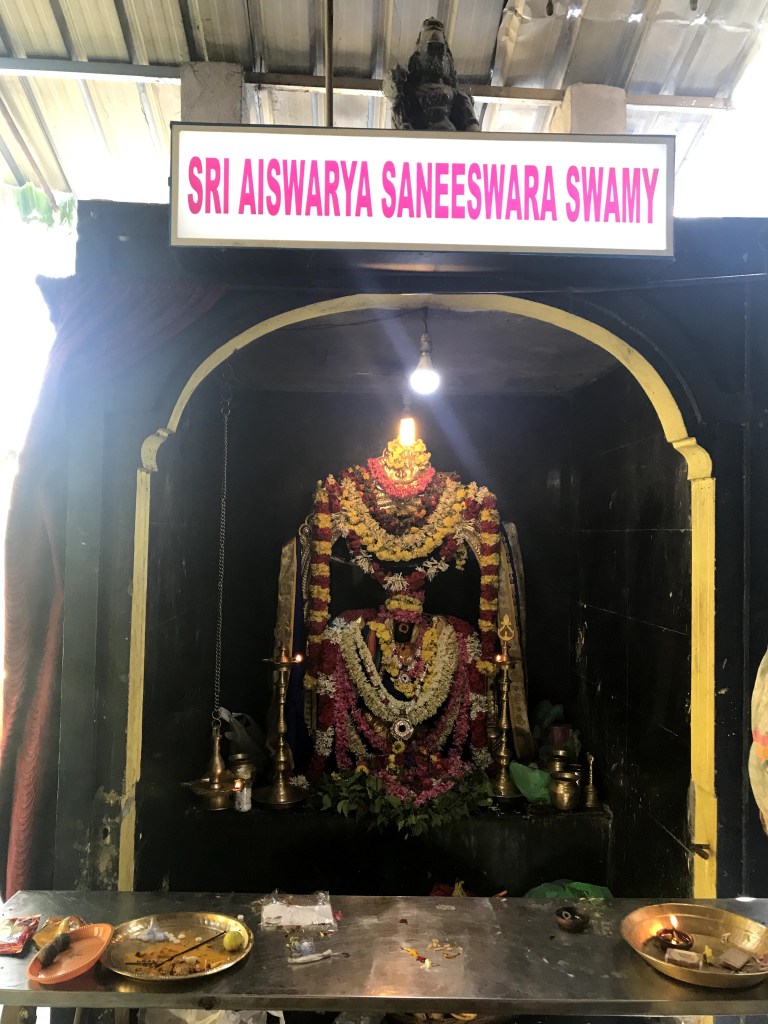
Kala Bhairavar Temple is a Hindu Temple dedicated to Lord Bhairava located at Yogimallavaram near to Tirupati and Tiruchanur in Chittoor District of Andhra Pradesh, India. The Temple is also famous for Mrutyunjaya Swamy Shrine, Aishwarya Saneeswarar Swamy Shrine, Kubera Bhairavar Shrine and Dakshinamoorthy Shrine. Lots of people will come mostly on Ashtami on every month to pray to Lord Kala Bhairava.


The Temple is located at about 800 meters from Tiruchanur Bus Stop, 3 Kms from Tiruchanur Railway Station, 6 Kms from Tirupati Railway Station, 5 Kms from Tirupati Central Bus Station, 8 Kms from Renigunta Railway Junction, 14 Kms from Tirupati Airport, 73 Kms from Chittoor, 129 Kms from Chennai and 141 Kms from Chennai Airport. Tiruchanur provides rail connectivity and is one of the satellite railway station for Tirupati. Buses from Tirupati available for every 30 minutes.


Tirupati is well connected to major cities through national and state highwaysAPSRTC is the state-owned service, which operates buses to various destinations from Tirupati bus station complex. Tirupati is in close proximity with the states of Karnataka and Tamil Nadu. Hence, buses from KSRTC, TNSTC and SETC also operates their services. There is also private transport which operate in the city.


Location